Waste Disposal Rules for Mill Hill Removals and Donations
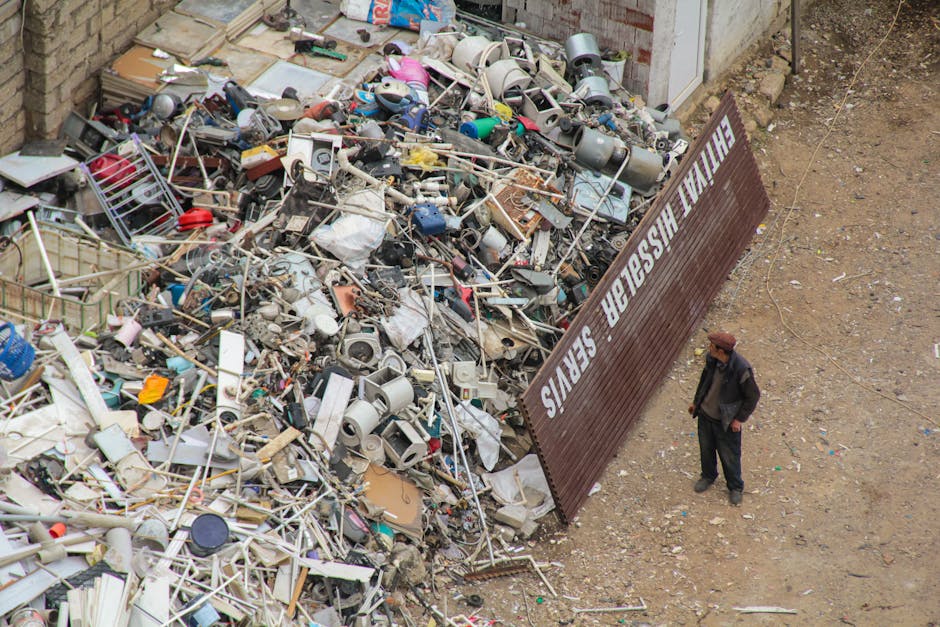
If you are clearing a home in Mill Hill, the rubbish can pile up faster than you expect. One box looks manageable, then suddenly you have broken furniture, old bedding, bagged clutter, electrical bits, and a few items you thought were donation-ready but now look questionable. Waste Disposal Rules for Mill Hill Removals and Donations matter because the way you sort, move, reuse, and dispose of items affects cost, safety, and whether your move stays smooth from start to finish.
In practical terms, this is about making sensible decisions before the van arrives. What can be donated? What needs recycling? What should be treated as waste? And what simply should not be left on the pavement hoping it disappears by magic? Let's face it, that rarely ends well. Below, you will find a clear, local-friendly guide that explains the process, common pitfalls, best practice, and a few real-world checks that save time and hassle.
Why Waste Disposal Rules for Mill Hill Removals and Donations Matters
When people talk about a move, they usually focus on packing boxes and getting the transport sorted. The waste side gets pushed to the end, and that is where problems begin. A removal day creates mixed materials: cardboard, soft furnishings, wardrobes, damaged items, packaging foam, leftover household bits, and sometimes things that cannot be donated at all. If you do not separate these properly, you can end up paying for the wrong service or creating avoidable delays.
In Mill Hill, there is also the local reality of streets, parking, access, and timing. If your items are left outside too early, they may become an obstruction. If donations are not prepared properly, they may be rejected. And if you have electricals, fridges, paint, or other specialist waste, a standard clearance plan may not be enough. Not exactly the sort of surprise anyone wants on a moving day.
These rules matter for three big reasons. First, they help you stay organised. Second, they protect you from disposal mistakes that can be messy or even costly. Third, they make your move more ethical by keeping usable items in circulation for longer. That last one is often underrated, but it really does make a difference.
If you are planning a full household move, it can help to think beyond disposal and look at the whole process as part of a wider relocation plan. Guides like crafting a stress-free relocation and decluttering like a pro fit naturally with this approach because waste sorting is easiest when you tackle it early, not the night before.
How Waste Disposal Rules for Mill Hill Removals and Donations Works
The process is simpler than many people expect, but it still needs a bit of judgement. The basic idea is to divide everything into three buckets: keep, donate, and dispose. That sounds obvious, sure, but the difficult part is deciding which items belong in which bucket.
Keep covers anything staying with you, either because you still need it or because it will be used in the new place after a clean and pack. Donate covers usable items that are safe, clean, and complete enough for someone else to take on. Dispose covers damaged, unsafe, contaminated, broken, or non-donatable material that needs proper removal or recycling.
A good removals plan usually starts with a pre-move audit. Walk through each room and ask a few blunt questions: Would I buy this again? Is it working? Is it clean enough for another household? Would I feel comfortable handing this over? If the answer is no, that item probably needs attention. Sometimes that means recycling. Sometimes it means disposal. Occasionally it means repairing, but only if you will actually do it.
Donation rules are especially important because donors and recipients both need clarity. A charity shop or collection point may accept furniture, books, kitchenware, and clothing, but not stained upholstery, unsafe electricals, or items with missing parts. If you are unsure, the safest approach is to separate the item and treat it as non-donation until confirmed otherwise. That avoids awkward doorstep refusals and wasted lifting.
In a removal context, waste handling also affects loading order. Heavier waste should not be mixed loosely with reusable furniture, because damaged items can spread dirt or break packaging. If you are moving fragile pieces, you may want to read up on sofa storage advice or moving beds and mattresses safely so that reusable items stay in better condition during the transition.
Key Benefits and Practical Advantages
The first benefit is obvious: less clutter. But there is more to it than that. When waste is handled correctly, the whole move becomes calmer. You are not surrounded by piles of "maybe" items, and your team can work more efficiently because they are not constantly stopping to ask what should happen to a random lamp base or a half-empty drawer of cables.
There is also a strong financial advantage. Disposal costs can climb if recyclable materials, general rubbish, and bulky items are all treated the same way. A cleaner sort at the start can reduce the amount of wasted van space and avoid paying to transport items that could have been donated or broken down first. To be fair, this is one of the easiest places to save money without cutting corners.
Another benefit is compliance and reputational peace of mind. If you are moving out of a flat, house, or office in Mill Hill, leaving waste in the wrong place can create friction with neighbours, landlords, building managers, or the street itself. Even small mistakes can make a move feel chaotic. Clear rules keep everyone happier.
Finally, good disposal practice supports sustainability. Reuse first, recycle second, discard last. That is the basic hierarchy many households now aim for, and it is sensible. A perfectly decent dining chair should not become landfill simply because it is inconvenient to deal with. A little effort now can keep usable items in circulation and reduce the environmental footprint of the move.
Who This Is For and When It Makes Sense
This topic is relevant to almost anyone planning a move or clear-out in Mill Hill, but it becomes especially useful in a few common situations.
- Home movers who are downsizing, upsizing, or combining households.
- Students clearing a flat at the end of term, where time is tight and skip-style dumping is tempting but risky.
- Families doing a long-overdue declutter before a house sale or probate-related move.
- Landlords and agents managing end-of-tenancy clearances.
- Offices dealing with old chairs, desks, archive waste, packaging, and redundant equipment.
- Anyone donating items who wants to make sure the goods are actually suitable for reuse.
It also makes sense when your move is time-sensitive. If you are working toward a same-week handover or a short completion window, the last thing you need is a separate disposal headache. In that case, a removal plan and a waste plan should be built together, not as two separate chores. If timing is tight, pages like same-day removals in Mill Hill can be useful context for understanding how quickly a move can be structured when everything is ready.
And if your move is more complex than a straightforward house clear-out, the same idea still applies. Furniture-heavy homes, office relocations, or awkward access properties may need more thought around item sorting. For example, a basement flat can throw up a different disposal rhythm altogether, and small-access removal solutions often require better pre-sorting simply because carrying things twice is a pain.
Step-by-Step Guidance
If you want the cleanest possible process, work through the move in this order. It is not glamorous, but it works.
- Survey the property room by room. Make a quick list of items you will keep, donate, recycle, or dispose of.
- Separate donation-quality items early. Keep them clean, complete, and together so they are not mixed back in with rubbish.
- Identify specialist waste. Look out for electricals, batteries, fridges, paint, chemicals, fluorescent tubes, and anything sharp or contaminated.
- Break down bulky items where safe. Flat-pack furniture, remove loose shelves, and bundle similar materials together.
- Decide what travels with the move. The fewer undecided items left on the day, the smoother the loading process will be.
- Label everything clearly. Use simple labels such as donate, recycle, waste, and keep. No mystery boxes. They become tomorrow's headache.
- Check access and lifting needs. If something is heavy, awkward, or fragile, plan the handling method before you start moving it.
- Schedule disposal or collection in the right order. Donation items should usually be set aside before the final clear-out so they are not accidentally damaged.
A practical little tip: keep a "decision box" for items you genuinely cannot classify on the first pass. It can hold things like old chargers, spare keys, mixed cables, or one-off accessories. Then revisit it once the obvious decisions are done. You do not need to solve every tiny item in one afternoon.
If you are packing at the same time, it helps to use structured materials and a consistent packing approach. A guide such as essential packing tips for an organised house move can save you from mixing donation stock with moving stock, which happens more often than people admit.
Expert Tips for Better Results
Experienced movers tend to do a few things that make the disposal side much easier. One is to start with the biggest items first. Another is to handle the awkward categories before the simple ones. And a third is to stop pretending that "I might use this later" is a plan. It usually isn't.
Tip one: sort by destination, not by room. Once you know whether an item is being kept, donated, recycled, or disposed of, it becomes much easier to see what the move will actually involve. Room-based sorting is helpful at the start, but destination-based sorting wins in the end.
Tip two: keep donation items in clean condition. A lot of people mean well but forget the basics. A chair with crumbs, a lamp with no shade, or a box of mixed crockery can be hard to pass on. Wipe things down. Put matching pieces together. Small effort, big difference.
Tip three: separate hazardous or specialist waste early. Do not mix old paint tins or batteries into general bagged waste. Apart from the safety issue, it can complicate the entire load. It is one of those jobs that feels minor until it isn't.
Tip four: think about storage if the move is staged. If some items are going out later, temporary storage may be a better choice than shoving them into the wrong room. You can explore storage in Mill Hill if your move needs a pause between clear-out and final delivery.
Tip five: protect your back and your floors. Heavy waste bags and old furniture can be deceptively awkward. If you are lifting anything bulky yourself, it is worth reading essential tips for lifting heavy items by yourself. A rolled ankle or scratched hallway can turn an easy clearance into a very tedious evening.
And one more, because it matters: use removal blankets or wrapping for donation items that are genuinely reusable. The difference between "donatable" and "donated" can be as small as a clean corner and a bit of decent packing. Funny how that works.
Common Mistakes to Avoid
The most common mistake is treating everything as rubbish. That usually leads to unnecessary disposal costs and missed reuse opportunities. If an item still has life in it, donation or resale may be the smarter route. Even if you are in a hurry, it is worth pausing for thirty seconds and asking whether the item belongs in a second-hand cycle instead.
A second mistake is donating without checking condition. If a charity or collection service cannot accept the item, you may be left with a last-minute problem and no clear plan. Broken zips, missing fittings, mould, stains, and damaged wiring are all warning signs. Honest self-checking saves embarrassment.
A third issue is failing to identify restricted materials. Electrical waste, batteries, and certain bulky appliances need extra thought. People often assume the removal team can simply take everything together. Sometimes that is fine, but not always, and guessing is a poor strategy here.
Another mistake is leaving the disposal decision until moving day. By then, you are tired, the hallway is half-full, and everything feels urgent. That is exactly when good judgement gets slippery. The less you decide under pressure, the better.
One more, and this is a classic: mixing donation items with general waste. Once a clean chair gets buried under random rubble, it becomes contaminated and awkward to pass on. Suddenly you have reduced the value of a decent item just because it shared a van space with a broken lamp. A bit annoying, really.
Tools, Resources and Recommendations
You do not need a complicated toolkit, but a few simple items make the job easier.
- Colour-coded labels or marker pens for keep, donate, recycle, and waste.
- Strong bin bags and boxes for bagged clutter and smaller discard items.
- Basic cleaning supplies so donation items can be presented properly.
- Gloves for handling dusty, broken, or sharp items.
- Wrap and tape for securing recyclable or reusable items.
- A checklist for each room so nothing gets forgotten in the rush.
For moving support, it helps to choose the right type of service for the job. A full household move, a smaller flat move, or an office clearance may need different handling. You can compare approaches through the services overview, or look more closely at house removals in Mill Hill and office removals in Mill Hill if your situation is more specific.
For people focused on reuse and responsible disposal, recycling and sustainability is a sensible page to explore alongside the practical side of moving. It helps frame waste not as an afterthought, but as part of the whole relocation process.
If your belongings include larger pieces such as sofas, wardrobes, pianos, or mattresses, specialist handling is often wiser than improvising. For those, it can be worth checking furniture removals in Mill Hill and piano removals in Mill Hill so the heavy stuff does not become a whole separate headache.
Law, Compliance, Standards, and Best Practice
Waste handling in the UK is not something to wing. The exact requirements depend on the item type, the route of disposal, and who is collecting it. You do not need to become a legal expert, but you should follow the general principles carefully and avoid assumptions. If a material is hazardous, electrical, or specialist in any way, extra care is needed.
The safest broad approach is this: do not leave waste where it creates an obstruction, do not assume every item is suitable for donation, and do not put restricted items into general waste unless you are sure that is acceptable. For householders, compliance often comes down to common sense and accurate sorting. For removals involving landlords, offices, or managed buildings, the responsibility can be broader, and the stakes are higher.
Best practice usually means documenting what is being kept, donated, and removed. That does not need to be formal paperwork unless the move is commercial. Even a simple written note or phone checklist helps if someone later asks what happened to an item. This is especially useful where more than one person is involved in the move.
If you are moving in a busy part of Mill Hill, access and parking can also shape compliance. You may need to think ahead about loading space, neighbour access, or building rules. Articles like removals on narrow streets, parking tips for The Ridgeway, and Barnet council removal permits explained are useful context for the movement side, which is closely tied to disposal planning. Waste is not isolated from the logistics. It sits inside them.
If you are unsure about any item, ask before loading it. That tiny pause can prevent a larger problem later. A minute now is worth more than a messy dispute after the van has gone.
Options, Methods, or Comparison Table
Different disposal routes suit different items. Here is a simple comparison that helps you decide faster.
| Option | Best for | Pros | Watch-outs |
|---|---|---|---|
| Donate | Usable furniture, clothing, books, homeware | Extends item life, reduces waste, feels good, often easy to organise | Items must be clean, safe, and complete; not everything is accepted |
| Recycle | Cardboard, some metals, select household materials, packaging | Good for sustainability and clutter reduction | Materials may need separating, flattening, or cleaning first |
| Dispose | Damaged, contaminated, unsafe, or non-reusable items | Removes clutter decisively | May involve additional handling for bulky or specialist waste |
| Store temporarily | Items you are unsure about or will use later | Buys time without making a rushed decision | Can become a procrastination trap if left too long |
| Sell or give away privately | Higher-value reusable items | Can reduce waste and recover value | Needs time, photos, messaging, and coordination |
For many Mill Hill households, the best answer is not one option but a combination. A sofa might be donated, broken shelving may be recycled, and the rest goes to disposal. That mixed approach is usually the most efficient, and it keeps the move honest.
Case Study or Real-World Example
Here is a realistic example from a typical Mill Hill move. A couple were leaving a two-bedroom flat and had accumulated years of mixed household items: a good dining table, a spare desk chair, several bags of old cables, a chipped chest of drawers, bed frames, books, and a couple of kitchen appliances that no longer worked properly.
At first, everything was stacked together in the hallway. It looked like a small mountain of "I'll sort that later." The better move was to stop and sort it properly. The dining table and chair were checked for condition, wiped down, and separated for donation. The cables were bundled for recycling or specialist disposal. The chest of drawers was too damaged to reuse, so it was marked for waste. The appliances were identified early so they did not get mixed in with ordinary rubbish.
That simple sorting step changed the whole day. Loading was faster. The van was used more efficiently. Donation items stayed clean. And the moving team did not have to keep asking the same question every ten minutes. The result was calmer, less wasteful, and surprisingly less stressful. Truth be told, the couple later said the sorting took longer than they expected, but it saved more time than it cost. Classic moving-day maths.
The same principle applies whether you are moving a student flat, an estate property, or an office. If you reduce uncertainty before the van arrives, everything else becomes easier.
Practical Checklist
Use this checklist the day before the move, or earlier if you can. Earlier is better, obviously.
- Have I separated keep, donate, recycle, and dispose items?
- Are donation items clean, complete, and actually suitable for reuse?
- Have I identified any specialist waste such as batteries, electronics, paint, or appliances?
- Are there any bulky items that need dismantling before collection?
- Have I packed or labelled items so they cannot be mixed up?
- Do I know what will be loaded first and what will be left behind?
- Have I checked access routes, stairs, lifts, and parking considerations?
- Do I need storage for anything I am not ready to part with yet?
- Have I kept fragile reusable items protected during sorting?
- Do I have gloves, bags, tape, and cleaning supplies ready?
Expert summary: the smoothest removals are the ones where disposal is treated as part of the plan, not a side task. Decide early, sort honestly, and keep donation items distinct from waste. That alone solves a surprising amount of stress.
For related moving support, it can help to review preparing your home for a stress-free move and safe lifting tips before you start shifting furniture or bags around. Small preparations, big payoff.
Conclusion
Waste Disposal Rules for Mill Hill Removals and Donations are really about making thoughtful decisions before a moving day gets noisy and rushed. Once you separate what you are keeping, donating, recycling, and disposing of, the rest starts to fall into place. You save time, reduce friction, and protect items that still have real value.
There is no need to overcomplicate it. A little planning, a clear checklist, and a realistic look at each item go a long way. And if the move is bigger than expected, or the access is awkward, or the timing is tight, do not be shy about getting proper help. That is what makes a hard job feel manageable.
If you want to understand the team behind the move a little better, you can also look at about us and removals in Mill Hill to see how a structured approach can support the whole process. And if you need to discuss your situation directly, the simplest next step is to get in touch.
Get a free quote today and see how much you can save.
Sometimes the difference between a stressful clear-out and a calm one is just a good plan, honestly. One good plan. That's enough to start.
Frequently Asked Questions
What counts as donation-ready waste during a Mill Hill move?
Donation-ready items are usually clean, safe, complete, and still usable. Think furniture without major damage, working homeware, books, clothing, and items that another household could realistically use right away.
Can I put broken furniture out for removal with everything else?
You can include broken furniture in a removal plan if it is being disposed of properly, but it should be separated from items intended for donation or reuse. Mixing everything together can create confusion and damage better items.
Are electrical items treated differently from normal household waste?
Yes, electrical items often need special handling. Even small appliances, cables, and battery-powered items should be checked carefully so they are not placed into the wrong waste stream.
How do I know whether something should be donated or recycled?
Ask whether the item is still usable by someone else. If yes, donation may be the better choice. If it is not reusable but still made from recyclable material, recycling may be more suitable. If neither applies, disposal is likely the answer.
What should I do with items I am not sure about?
Put them into a separate decision box or holding area. Do not guess under pressure. A short pause now is better than making the wrong call on moving day.
Can a removal team take donations and waste together?
Often yes, but it depends on the item types and the service you have arranged. It is always better to explain what you have in advance so the load can be handled properly and nothing useful gets treated as rubbish by mistake.
How far in advance should I sort waste before a move?
Ideally start a few days or even a couple of weeks before the move if possible. The earlier you begin, the more likely you are to spot donation items, dismantle bulky furniture, and avoid last-minute pile-ups.
What are the biggest mistakes people make with removal waste?
The main mistakes are leaving sorting too late, donating unsuitable items, mixing waste with reusable goods, and forgetting about specialist items like batteries or appliances. Those errors are common, but avoidable.
Is it worth storing items instead of disposing of them straight away?
Sometimes, yes. If you are undecided or waiting for confirmation from a donor, storage can buy you time. But storage should be a pause, not a hiding place for clutter you do not want to decide on.
What if I need to move quickly and do not have time to sort everything perfectly?
Focus on the obvious categories first: keep, donate, recycle, and dispose. Even a basic first-pass sort makes the move cleaner and safer. If the deadline is tight, using a structured removals plan is much better than trying to improvise at the last minute.
Do I need to worry about parking or access when disposing of waste in Mill Hill?
Yes, especially on narrower roads or where loading space is limited. Good parking and access planning helps avoid delays, neighbour frustration, and repeated handling of heavy items.
Where can I get more help if my move includes awkward or specialist items?
Look at the relevant local service information for your property type, such as furniture, piano, flat, or house removals, and check the guidance on safe handling and recycling. If the situation feels complicated, it usually is worth asking for tailored advice rather than guessing.