Barnet Council Removals Permits for Mill Hill Moves Explained
If you are planning a move in Mill Hill, parking can become the bit that quietly causes the most stress. A van might arrive on time, the boxes may be packed, and then suddenly there is nowhere sensible to stop. That is where Barnet Council removals permits for Mill Hill moves explained becomes useful. It is not just admin for the sake of it. It can be the difference between a smooth loading day and a messy scramble outside the front door.
In this guide, we will unpack what a removals permit does, when it may be needed, how it fits into a typical Mill Hill move, and what you should check before moving day. We will also cover practical planning tips, common mistakes, and a few local realities that people often overlook. Truth be told, the parking side of moving is often less glamorous than the packing side, but it matters just as much.
Table of Contents
- Why Barnet Council Removals Permits for Mill Hill Moves Explained Matters
- How Barnet Council Removals Permits for Mill Hill Moves Explained Works
- Key Benefits and Practical Advantages
- Who This Is For and When It Makes Sense
- Step-by-Step Guidance
- Expert Tips for Better Results
- Common Mistakes to Avoid
- Tools, Resources and Recommendations
- Law, Compliance, Standards, or Best Practice
- Options, Methods, or Comparison Table
- Case Study or Real-World Example
- Practical Checklist
- Conclusion
- Frequently Asked Questions
Why Barnet Council Removals Permits for Mill Hill Moves Explained Matters
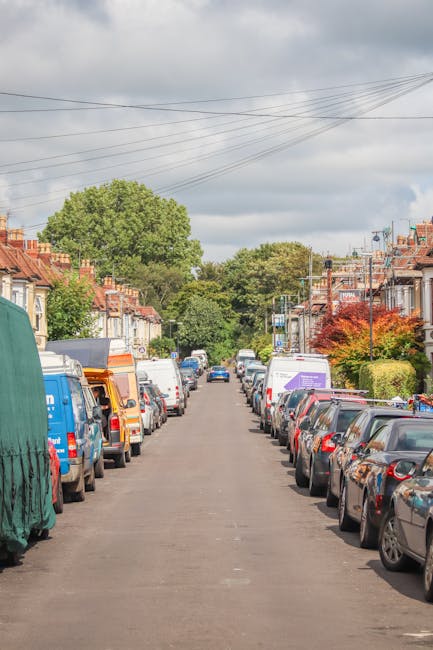
On a move day, the most important square footage is often not inside the house. It is the bit of road directly outside. If your van cannot stop close enough, everything slows down: carrying gets longer, heavy items become riskier, and the whole day starts feeling twice as tiring. That is especially true in parts of Mill Hill where streets can be busy, narrow, or already lined with parked cars.
A removals permit, or a parking arrangement that allows a removal vehicle to load and unload legally, is about reducing friction. It helps you avoid unnecessary time lost circling for a space or risking a penalty because the van stopped where it should not. It also helps removal teams work efficiently. In practice, that can mean fewer trips, less handling, and a calmer experience overall.
There is another angle too: neighbours. A van blocking driveways, double parking, or staying in one spot too long can create friction on a residential street. A proper plan keeps things tidy and respectful. That may sound small, but on a London street at 8am, small things can make a big difference.
If you are already organising other parts of the move, it helps to think about permits alongside packing, access, and the type of property. Articles like preparing your home for a stress-free move and essential packing tips for an organised house move sit well beside this topic because parking and packing really do affect each other.
How Barnet Council Removals Permits for Mill Hill Moves Explained Works
Let's keep this plain. A removals permit is typically part of the traffic and parking setup around your move, designed to allow loading and unloading in a lawful way. The exact process can vary depending on the street, the time of day, local restrictions, and whether your van needs to wait or only stop briefly. Sometimes a permit is required. Sometimes a suspension of a bay is more appropriate. Sometimes neither is needed, but only if the road allows easy stopping and the move is short.
What matters is not guessing. It is checking the street conditions in advance.
In a Mill Hill move, the practical questions are usually:
- Is there a loading bay nearby?
- Does the road have waiting restrictions?
- Will the van need to stay parked for a while?
- Is there enough room for a larger removal vehicle?
- Are there access issues such as tight turns, narrow kerbs, or busy school-run traffic?
For a flat move, the parking need may be very different from a full house removal. A top-floor flat in a road with limited stopping space can turn into a slow procession of boxes if the van is parked too far away. That is why a page like flat removals in Mill Hill is relevant when you are thinking about permits and access together.
Some people assume the driver can simply "find somewhere." Sometimes that works. Often it does not. And if the van is larger than expected, the difference between a legal stop and a risky stop can be only a few metres. Not ideal, to be fair.
Key Benefits and Practical Advantages
Getting the parking side right gives you more than compliance. It improves almost every other part of the move.
- Less time wasted: the team can park close to the property and get on with loading.
- Lower physical strain: fewer metres carrying wardrobes, sofas, boxes, and white goods.
- Reduced risk of damage: shorter carry distances usually mean fewer bumps on door frames, stair edges, and hallway corners.
- Better schedule control: the move is more likely to stay on track if the vehicle access is sorted early.
- Less stress for everyone: and yes, that matters more than people think when the kettle is packed and the internet is already off.
There is a commercial side too. If a removal company has to spend extra time parking, waiting, or working around restrictions, that can affect the price or the time needed on site. Good planning helps protect your budget. If you want to compare service levels more broadly, the services overview is a sensible place to understand how move planning fits with different removal types.
And then there is safety. Removal work often involves repeated lifting, awkward angles, and heavier pieces than people first expect. The fewer unnecessary carrying steps, the better. If you are curious about safe handling, essential tips for lifting heavy items by yourself is a useful companion read, even if your main focus today is permits.
Who This Is For and When It Makes Sense
Not every move needs the same level of parking planning. A permit may be more relevant if you are:
- moving from a flat or maisonette where street parking is limited
- using a larger removal vehicle that cannot fit neatly into casual roadside spaces
- moving on a weekday when the road is busiest
- relocating from a street with bay restrictions, yellow lines, or controlled parking
- booking a move during school drop-off or commuter-heavy hours
- moving bulky items such as sofas, wardrobes, pianos, or appliances
Students, for example, often underestimate access planning. A student move can look simple on paper: a few boxes, a desk chair, a mattress, done. But if the van cannot stop close enough, even a small move becomes awkward. That is one reason student removals in Mill Hill can benefit from the same level of parking thought as a bigger household move.
Office moves are another matter. If there are desks, printers, archive boxes, and multiple people trying to get out of the way at once, access is everything. You really want the vehicle positioned properly rather than leaving it to chance. A practical page like office removals in Mill Hill helps frame that broader planning mindset.
Step-by-Step Guidance
Here is the straightforward way to approach removals parking for a Mill Hill move.
- Check the property and the street. Look at the width of the road, nearby signage, bay markings, and whether a van can safely stop outside.
- Consider the vehicle size. A small van, a larger removal van, and a man and van setup all create different parking needs.
- Decide whether loading will take minutes or hours. A quick stop and a long loading period are not the same thing in parking terms.
- Build the access plan into the booking. Tell the removals team about narrow streets, pavement obstructions, resident bays, or any tight turning area.
- Prepare the property. Clear hallways, label boxes, and make sure the route from front door to van is as direct as possible.
- Confirm the parking arrangement early. Do not leave it until the evening before, when everyone is already tired and irritable.
- Have a backup plan. If the preferred parking spot is unavailable, know the next best option before move day.
A lot of people focus on boxes and forget the outside environment. Yet the most efficient moves are the ones that treat the street, the doorway, and the van as one connected system. It sounds simple because it is simple. The challenge is remembering it under pressure.
If you are still in the planning stage, it can help to read crafting your pathway to a stress-free relocation alongside this article. It offers a broader planning frame that works well with the permit side of things.
Expert Tips for Better Results
Here are the little things that make a surprisingly big difference.
- Measure awkward items first. A sofa or wardrobe that barely fits through a doorway usually needs extra loading space and more time.
- Group the heavy items near the exit. If the van is far away, you do not want to keep carrying the heaviest pieces back and forth.
- Avoid peak congestion where possible. A 9am move on a school day is a different animal from a quiet midweek afternoon.
- Use clear labels. Faster loading means less time with a vehicle blocked outside.
- Tell the team about access surprises. Shared entrances, steps, poor lighting, or a low ceiling in a porch all matter.
- Think in chains, not tasks. Parking, access, packing, and lifting are linked. Fix one, and the others become easier.
For fragile or bulky furniture, it is often worth planning the load order in advance. Sofas, beds, mattresses, and specialist items should go in with intention. If you want more detail on handling bulky household pieces, moving your bed and mattress the right way and expert storage recommendations for your sofa are both helpful reads.
And yes, sometimes the sensible thing is just to ask for help. No prize for lifting a washing machine like a hero.
Common Mistakes to Avoid
The most common errors are usually not dramatic. They are the small, avoidable ones.
- Leaving parking to the last minute. This is the classic one. It creates panic, and panic creates bad decisions.
- Assuming a vehicle will fit anywhere. A road that is fine for cars may be terrible for a removal van.
- Forgetting about restrictions outside the property. Yellow lines, permit bays, busier junctions, and dropped kerbs can all affect where the vehicle can stand.
- Not telling the removal company about access problems. Hidden stairs or a long carrying distance can change the whole job.
- Underestimating the time needed. If parking is tight, loading always takes longer. Always.
- Booking a move without checking the local context. Mill Hill has a mix of residential streets, bus routes, station-adjacent areas, and busier roads. One size does not fit all.
There is also a financial mistake people make: they compare prices without comparing access. A cheaper quote can stop being cheap if the crew has to spend extra time carrying furniture around the corner because the van cannot get close. That is exactly the kind of issue discussed in avoiding hidden removals charges in Mill Hill, Barnet.
Let's face it, nobody enjoys finding a parking problem halfway through a move. It turns the day from organised to slightly theatrical.
Tools, Resources and Recommendations
You do not need a complicated toolkit to handle removals parking well. What you do need is a few practical supports.
- Property photos: a couple of clear images of the street, driveway, or loading area can help assess access before the move.
- Measurements: door widths, hallway turns, and the approximate size of larger items are all useful.
- Parking notes: write down nearby restrictions, resident bays, or loading-only spaces.
- Move-day timeline: know when the van is arriving, when boxes will be ready, and when keys are expected.
- Removal equipment: trolleys, blankets, straps, and protective covers reduce loading time and improve safety.
If the move includes specialist items, the access plan becomes even more important. A piano, for instance, is not something you want to move without considering parking, carry distance, and door clearance. The article on piano logistics gives a good sense of why that is.
For people who are still choosing the right kind of moving support, man with a van in Mill Hill, man and van in Mill Hill, and removal van in Mill Hill may help you compare practical options. The best choice depends on the volume of items, the street access, and how much lifting you want to do yourself.
Law, Compliance, Standards, or Best Practice
Parking for removals sits in the real world of local restrictions, road safety, and responsible use of public space. That means a few best-practice principles matter even if you are not dealing with anything formally complex.
First, do not assume stopping is allowed just because it is convenient. Local parking controls can apply at specific times or in specific bays, and a removal vehicle is not automatically exempt from those rules. If a permit, dispensation, or bay arrangement is needed, it should be checked before the move rather than discovered on the day.
Second, think about safety and access for other road users. A van parked badly can block sight lines, force pedestrians into the road, or create awkward reversing situations. Good practice keeps the street usable and reduces risk.
Third, work with a removals company that treats compliance seriously. Good operators should understand access planning, safe loading, and how to avoid needless disruption. That is part of professional standards, even when the task looks ordinary from the outside.
It is also sensible to review related company policies if you want more reassurance about how a mover works. Pages such as health and safety policy, insurance and safety, and terms and conditions can help you understand the standards a provider keeps in place. You may never need them during a smooth move. But if something unexpected happens, knowing they exist is comforting.
Options, Methods, or Comparison Table
Different moves need different parking approaches. Here is a simple comparison.
| Approach | Best for | Pros | Watch-outs |
|---|---|---|---|
| Informal roadside stopping | Very quick load or unload in a low-traffic area | Simple, fast, no extra arrangement if legal and safe | Often not suitable for longer jobs or restricted streets |
| Planned loading space or permit arrangement | Flat moves, busy streets, timed loading, larger vans | Closer access, more efficient loading, less stress | Needs advance checking and correct timing |
| Alternative parking nearby | Streets with restrictions or limited width | May still work if the carry distance is reasonable | Longer carry times, more physical effort, slower move |
Another useful comparison is between different moving styles. A full-house removal often justifies more detailed parking planning, while a smaller move may be workable with a compact van and lighter access needs. That is why options like house removals in Mill Hill, removals in Mill Hill, and removal services in Mill Hill should be viewed through the lens of access, not just item count.
For people needing storage during a staggered move, parking and access still matter because items may be loaded in phases. Storage in Mill Hill can be useful in that situation, especially if keys, cleaning, or completion timings do not quite align. Happens all the time, honestly.
Case Study or Real-World Example
Imagine a family moving from a first-floor flat near a busy Mill Hill road. They have a sofa, a bed, boxes of books, a fridge freezer, and a few awkward items that do not stack neatly. At first, they think the van can just stop outside for half an hour while everything is carried down.
Then they take a proper look at the street.
The road has resident parking, limited turn space, and regular passing traffic. A casual stop would probably mean someone else squeezing past, or the van having to move after a few minutes. Instead, they plan ahead. The removals team is told about access issues. Boxes are ready by the door. The larger items are grouped together. Parking is checked in advance, and the vehicle is positioned as close as practical without creating problems.
The result is not flashy, but it is effective. Fewer walks up and down the stairs. Less chance of scuffed walls. Less noise on the pavement. By early afternoon, the van is loaded and gone, and the family can finally breathe. Small win? Maybe. But on move day, small wins feel enormous.
That sort of planning also pairs well with local knowledge. If you are moving near busier local spots or more awkward routes, articles like Mill Hill Broadway removals guide for narrow streets, tips for removals near Mill Hill East station, and NW7 removals parking tips for Ridgeway residents are especially relevant.
Practical Checklist
Use this before moving day.
- Confirm whether the road needs a permit, bay arrangement, or special parking consideration.
- Check if the removal van can safely stop near the property entrance.
- Tell the mover about narrow streets, steps, shared entrances, or limited turning space.
- Measure any large furniture or appliances that might slow loading.
- Prepare boxes and fragile items before the van arrives.
- Keep hallways and doorways clear.
- Have keys, phone chargers, and important documents easy to reach.
- Plan a backup parking option in case the first space is taken.
- Make sure the move-time window works with local traffic patterns.
- Review company policies if you want reassurance about service, safety, or payment.
If you are trying to reduce chaos overall, a few well-timed prep steps help a lot. Decluttering like a pro and preparing your home for a stress-free move can make the job feel lighter before the van even turns up.
And if you prefer to talk through the practical side with a local team, you can always use the contact page to ask about move planning and access details. No drama, just a sensible conversation.
Get a free quote today and see how much you can save.
Conclusion
Barnet Council removals permits for Mill Hill moves explained in simple terms means this: do not leave parking to luck. A good move is rarely just about boxes and vans. It is about access, timing, safety, and making sure the vehicle can do its job without creating problems on the street.
If you sort the parking side early, the rest of the move tends to feel much more manageable. Heavy items come out faster, the team works more safely, and you are not stuck watching the clock while the van waits awkwardly round the corner. That kind of calm is worth planning for.
So check the street, think about the vehicle, and build the permit question into your move plan from the start. It is one of those little decisions that saves a lot of hassle later. Quietly powerful, really.
Frequently Asked Questions
Do I always need a removals permit for a Mill Hill move?
Not always. Some streets allow straightforward loading and unloading, while others have restrictions that make a permit or parking arrangement more sensible. The key is to check the street conditions rather than assume.
What happens if the van cannot park near my property?
The move can still happen, but loading usually takes longer and involves more carrying. That may increase effort and, depending on the job, could affect the time needed on site.
Is a removals permit the same as a normal parking permit?
No. A removals-related parking arrangement is usually about temporary access for loading and unloading. It is different from a resident permit or a general parking permit.
How far in advance should I sort out parking for a move?
As early as possible. Even if you are not sure you need anything formal, checking the parking situation early gives you time to adjust plans without last-minute stress.
Can a man and van service handle parking problems more easily?
Sometimes, yes, especially if the vehicle is smaller. But if the street is heavily restricted or access is awkward, even a smaller van needs a proper plan.
What areas of a Mill Hill move make parking more difficult?
Busy roads, narrow residential streets, station-adjacent routes, and places with limited bay space can all be more difficult. The issue is usually access, not just location.
Will a permit make my move cheaper?
It can help avoid delays and unnecessary carrying, which may protect the overall efficiency of the move. Whether that translates into lower cost depends on the service and the complexity of the job.
Do I need to tell the removals company about parking restrictions?
Yes, absolutely. Even small details like a tight turn, a shared driveway, or a loading bay nearby can help the team plan the right vehicle and loading setup.
What if I am moving from a flat or upper-floor property?
Then parking becomes even more important because carry distance matters more. If the van is far away, the team has to do more lifting and walking, which slows the job down.
Can I combine parking planning with other move preparations?
Yes, and that is usually the smartest approach. Packing, decluttering, access checks, and parking should all be planned together so nothing gets missed.
Should I choose a larger removal van or a smaller one?
It depends on the volume of items and the street layout. A larger van may reduce trips, but a smaller vehicle can be easier in tight roads. The best choice is the one that suits both your belongings and the road outside.
Where can I get help if I am still unsure about the move?
If you want practical advice, it helps to speak with a local removal team early and explain your street, property type, and timing. A short conversation now can save a lot of faffing later.
When the parking plan is right, the whole move tends to feel lighter. That is the bit people remember afterwards: not the stress, but the relief.