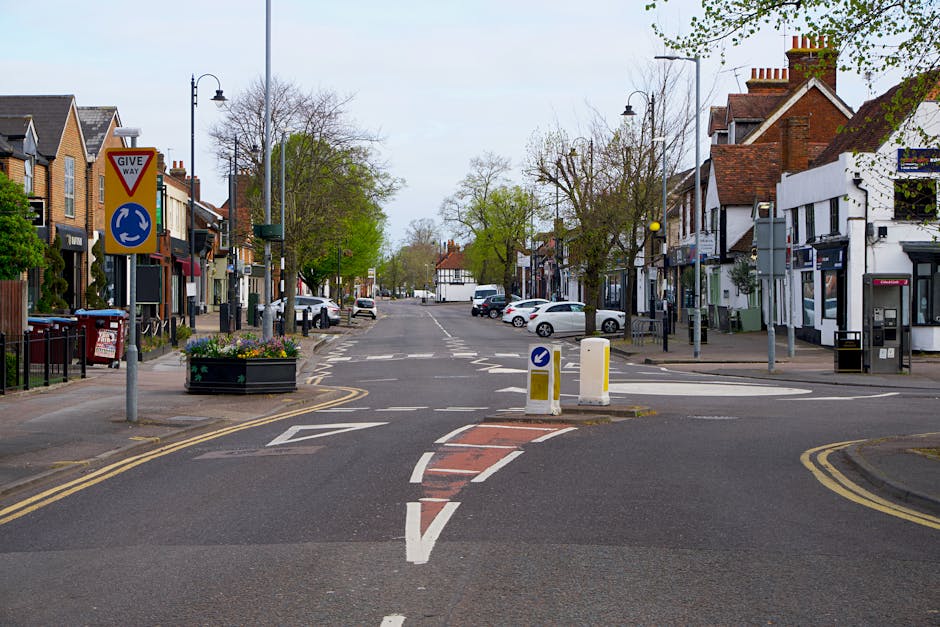
Street Closure and Removals Rules for Mill Hill Events: A Practical Guide for Smooth, Safe Moves
Planning a move around a local fair, parade, street party, school event, or community gathering can feel oddly complicated. One minute you are arranging boxes and a van, the next you are wondering whether the road will be closed, where the vehicle can stop, and what happens if your removals crew turns up to a barrier and a steward with a clipboard. Street Closure and Removals Rules for Mill Hill Events are exactly the kind of detail that can make or break the day.
This guide breaks the topic down in plain English. You will learn how event-related street closures affect removals, what usually needs checking in advance, how to plan the timing, and how to avoid the small oversights that create big delays. If you are relocating a flat, house, office, or a single bulky item, the key is to plan early and keep the route clear. A little prep saves a lot of faff, honestly.
For readers who want broader moving support in the area, it can also help to look at removals in Mill Hill, the full service overview, and this useful local guide on Barnet Council removals permits for Mill Hill moves. Those pages sit nicely alongside this article if you are trying to line everything up properly.
- Why street closure and removals rules matter
- How the process works in practice
- Key benefits of planning ahead
- Who needs this guidance
- Step-by-step planning guidance
- Expert tips for smoother access
- Common mistakes to avoid
- Tools, resources and recommendations
- Law, compliance and best practice
- Options and comparison table
- Case study example
- Practical checklist
- Conclusion
- Frequently asked questions
Why Street Closure and Removals Rules for Mill Hill Events Matters
Street closures can change a simple removals job into a juggling act. In Mill Hill, events can mean temporary no-entry points, altered parking arrangements, extra pedestrian traffic, or restricted loading at the exact hour you wanted to start carrying wardrobes downstairs. That is frustrating, but it is also manageable if you know the rules of the game.
The main reason this matters is straightforward: removals depend on access. A van needs to get near the property, the team needs room to load safely, and the route out has to be usable when the job is finished. If a street is closed for an event and no one has checked in advance, the move can stall before the first box even leaves the hallway. You do not want a sofa waiting by the kerb while everyone argues about barriers.
There is also a safety angle. Event organisers, residents, and removal crews all share the same public space. When traffic is diverted, the pressure builds quickly. People walk unpredictably, delivery vehicles turn up anyway, and someone always thinks they can just squeeze through. Best practice is to plan around the closure, not against it.
If you are moving near busy local routes, it is worth reading the practical advice in the Mill Hill Broadway narrow-street guide and tips for removals near Mill Hill East station. Both highlight the sort of access issues that become even trickier when an event is taking place.
How Street Closure and Removals Rules for Mill Hill Events Works
In simple terms, street closure rules determine who can enter, stop, load, unload, or park in a particular road while an event is happening. For removals, that usually means checking whether the move can happen during the closure window, whether the removal vehicle needs special permission, and whether alternative loading points are available nearby.
The process is usually a mix of event planning, access management, and local coordination. Sometimes a street is fully closed. Sometimes only part of it is restricted. Sometimes access is still possible for residents, but only at certain times and only if stewards or marshals are happy with the arrangement. That is why "it should be fine" is not really a plan. It is wishful thinking dressed up as logistics.
Most of the practical work happens before moving day. You or your removals provider should confirm the event date, the closure hours, the exact stretch of road affected, and whether loading is blocked. If the property sits inside a controlled zone, the crew may need to park further away and carry items by hand. That sounds minor until it is raining, the lift is tiny, and the mattress is somehow larger than the stairwell, which does happen.
For a move involving awkward or heavy items, planning becomes even more important. That is where supporting guides like essential tips for lifting heavy items by yourself and the best ways to move your bed and mattress can be helpful. They are not a substitute for professional handling, but they do show how much the access route affects the whole job.
Key Benefits and Practical Advantages
When you get the event and street access details right, the benefits are immediate. The day feels calmer. The removals crew can work safely. Your neighbours are less likely to be irritated. And you are less likely to pay for avoidable waiting time or a second visit. To be fair, that last point matters a lot more than people expect.
- Fewer delays: you avoid turn-ups at closed roads and last-minute reroutes.
- Safer loading: the crew can plan a sensible path for carrying furniture and boxes.
- Better timing: jobs can be scheduled before, after, or around event activity.
- Lower stress: nobody likes negotiating access while the clock is ticking.
- Reduced damage risk: fewer rushed carries means fewer scraped walls, chipped corners, and dropped items.
- More predictable costs: fewer surprises usually means fewer add-ons.
The commercial side is important too. If you are comparing options, a well-planned move is usually easier to quote accurately. That is one reason why reading up on pricing and quotes before the day can be useful. It helps you understand what is included, what is excluded, and which access issues may affect the final price.
Who This Is For and When It Makes Sense
This guidance is relevant to more people than you might think. It is not just for big house moves or office relocations. Event-related street restrictions can affect anyone trying to move in Mill Hill on or near a closure date.
- Home movers: families, couples, and first-time buyers moving furniture and boxes.
- Flat movers: especially where there is limited parking or narrow access.
- Students: moving between terms can be awkward when local events overlap with travel days.
- Office teams: if a business move falls near an organised event, timing becomes crucial.
- Single-item moves: beds, sofas, pianos, or one-off bulky items.
- Landlords and letting agents: when coordinating tenant handovers.
It makes sense to focus on this topic whenever your address is on a road that could be used for a festival, charity event, parade, market activity, school fair, or community celebration. Even if the closure is short, the knock-on effect on parking and loading can be surprisingly annoying. A quick "we'll manage" can turn into a long walk with a wardrobe. Nobody wants that.
If your move is time-sensitive, the pages on same-day removals in Mill Hill and house removals in Mill Hill can help you think about how urgent timing and access restrictions might interact.
Step-by-Step Guidance
Here is a practical way to approach Street Closure and Removals Rules for Mill Hill Events without getting lost in the detail. This is the part to keep handy if you are organising a move yourself.
- Check the event dates early. As soon as you know the move date, compare it with any local event schedule that could affect the road.
- Identify the exact street and access point. Not every closure affects every property equally. A closure a few houses away may still block a van route.
- Ask about loading and unloading windows. Some closures still allow resident access at certain times, but do not assume it.
- Plan the vehicle size and parking position. A smaller van may be easier to place nearby than a larger vehicle, especially in tight streets.
- Build a walking route. If the van cannot park at the door, work out the shortest safe carry route from vehicle to entrance.
- Protect fragile items. Extra carrying distance increases risk, so pack and wrap carefully.
- Notify anyone involved in the move. That includes helpers, tenants, reception staff, or building management.
- Prepare a fallback option. Have an alternate parking point or alternate time window in mind.
- Confirm the plan the day before. Event arrangements can change, and the last check is the one that often saves you.
A small detail can make a huge difference. For example, if your sofa is being taken out across a longer route because the street is partially closed, the wrapping and edge protection matters more than usual. That is where a page like guard your sofa with expert storage recommendations becomes oddly relevant. Not because the event created the sofa, obviously, but because extra handling time often means extra care is needed.
Expert Tips for Better Results
In our experience, the best event-day moves are the ones that feel almost boring. Everything is confirmed. The crew knows where to stop. The customer knows where to stand. No one is improvising beside a traffic cone at 7:30 in the morning. That is the goal.
- Book the move with a timing buffer. If a closure starts at midday, do not schedule your van arrival for 11:55 and hope for the best.
- Keep walkways clear inside the property. Long carries are hard enough without trip hazards.
- Use labels that reflect the room, not just the box contents. It speeds up unloading if the van has to park farther away.
- Choose the right vehicle type. A more compact van can sometimes save time on access-limited streets.
- Consider split loading. If the closure is brief, moving smaller items first and larger items after can be smarter than forcing everything at once.
- Tell the removals team about stairs, lifts, and side entrances. Small things, big impact.
There is also a human side to this. People get tired, impatient, and a little overconfident on moving day. That is normal. But when a road is closed, confidence does not move the wardrobe. Good planning does.
If you are moving specialty items, especially anything awkward or valuable, it is worth reading about piano removals in Mill Hill and understanding piano logistics. A closure that forces a longer carry route can turn a delicate job into a much more technical one.
Common Mistakes to Avoid
Most problems in this area are avoidable. That is the annoying part, because it means they usually happen from a small oversight rather than a dramatic disaster. Here are the mistakes that come up again and again.
- Leaving access checks too late. If you only find out about the closure on moving day, your options shrink fast.
- Assuming resident access is automatic. Sometimes it is, sometimes it is not. Get confirmation.
- Ignoring parking restrictions. A street can be open but still unsuitable for a van to stop safely.
- Forgetting about loading time. A long carry can double the duration of a simple job.
- Not telling the removals company about the event. This one is common. The crew arrives prepared for a normal street and finds a different reality.
- Underpacking fragile items. More movement means more chance of breakage.
- Overlooking building rules. Some flats and managed properties have their own timing or access requirements on top of the street closure.
One little "we can probably manage" can cost half a morning. Truth be told, it is better to be the person who over-prepared by 20 minutes than the one who is stranded with a van and no route in. Not glamorous, but effective.
Tools, Resources and Recommendations
You do not need fancy software to handle this well. A notebook, a phone calendar, and a sensible conversation with the relevant people will get you surprisingly far. Still, a few practical tools and resources make the process smoother.
- Move-day checklist: useful for tracking event timing, keys, parking, and item priorities.
- Room-by-room inventory: helps estimate how long loading will take if access is limited.
- Calendar reminders: set one for the event date, one for the day before, and one for the move window.
- Packaging supplies: sturdy boxes, tape, blankets, covers, and labels.
- Building contact details: especially useful for flats, offices, and managed properties.
For packing support, you may find packing and boxes in Mill Hill useful, and if the move involves a bigger household setup, essential packing tips for an organised house move can help you stay a step ahead.
When access is uncertain, storage can also be a smart bridge solution. A temporary hold is often easier than trying to force everything into one tight time window. See storage in Mill Hill and the practical note on crafting a stress-free relocation if you need a calmer route through a tricky week.
Law, Compliance, Standards, or Best Practice
Any street closure or removal plan should be handled with care for local rules, public safety, and neighbour access. In the UK, event organisers and those coordinating transport in the street typically need to avoid blocking emergency access, causing unreasonable obstruction, or ignoring directions from authorised stewards or council officers. The exact requirements can vary depending on the road, event, and timing, so it is wise to treat official guidance as the final word rather than relying on assumptions.
For removals, best practice usually includes checking whether the vehicle may lawfully stop where you plan, whether temporary parking arrangements are permitted, and whether any event-specific conditions affect loading bays or kerb space. If you are unsure, ask early. It is much easier to adjust the plan beforehand than argue about it when the van is already idling in the street.
Good compliance is not just a legal box-tick. It is also about being a decent neighbour. Events bring people together, and moves should not make that day harder for everyone else. A careful approach helps protect pedestrians, cyclists, residents, and your own belongings all at once.
From an operational point of view, it also helps to work with a removals provider that understands local handling, safe lifting, and insurance expectations. A strong safety culture matters here. If you want to understand how that is approached in practice, the pages on insurance and safety and health and safety policy are worth a look.
Options, Methods, or Comparison Table
There is more than one way to manage a move around an event closure. The right option depends on timing, property type, and how much furniture you are shifting. Here is a simple comparison to help you decide.
| Approach | Best for | Pros | Trade-offs |
|---|---|---|---|
| Move before the closure starts | Most home and office moves | Clean access, less conflict, quicker loading | Requires early start and tighter preparation |
| Move after the event ends | Flexible schedules, non-urgent jobs | Less disruption from crowds and barriers | May mean late-day fatigue or limited daylight |
| Partial move with fallback parking | Long moves or mixed access streets | Can keep the job going if the closure affects only part of the route | Needs careful coordination and walking distance planning |
| Temporary storage first | Unclear access, delayed handovers, awkward timings | Reduces pressure on a single day | Adds an extra handling step |
| Professional removals team with local experience | Most complex or valuable moves | Safer handling, better planning, fewer surprises | May cost more than self-managing, but often saves time |
If you are deciding between a simpler van service and a larger full-service move, it can help to compare man with a van in Mill Hill, man and van in Mill Hill, and more structured removal services in Mill Hill. Each can suit different access conditions.
Case Study or Real-World Example
Here is a realistic example from a Mill Hill-style move. A family planned to leave a first-floor flat on a road that was due to be affected by a local community event the same morning. The road itself was not fully sealed off all day, but parking was restricted and pedestrian flow was expected to be heavy. That sounds manageable until you add a cot bed, a dining table, several awkward boxes, and one very determined cat carrier.
Instead of risking a last-minute scramble, the move was brought forward by a couple of hours. The removals team parked at a pre-agreed fallback point, the smaller boxes were loaded first, and the heavier items were wrapped ready for a shorter carry route. The team also kept the hallway clear so the loading sequence did not clog up the flat. Nothing dramatic happened. Which, in moving terms, is a win.
The important lesson was not that the event caused a disaster. It was that the family adapted the route and timing early enough to avoid one. That is the whole game. A little local awareness, a sensible schedule, and a backup plan can turn a potentially messy day into a smooth one.
That kind of preparation is especially valuable for more complex homes too, such as basement flats or properties with awkward access. If that sounds familiar, small-access removals solutions for Mill Hill basement flats is a useful companion read.
Practical Checklist
Use this checklist in the run-up to your move. It is simple, but it catches most of the obvious problems before they become expensive.
- Confirm the event date and closure window
- Check whether your exact street is affected or just nearby roads
- Ask whether loading or resident access is allowed
- Agree a parking or drop-off fallback point
- Notify your removals team about the closure in writing
- Book enough time for a longer carry route if needed
- Label fragile and priority boxes clearly
- Protect furniture corners, glass, and mattress edges
- Clear hallways, stairwells, and entry points before the team arrives
- Keep keys, phone numbers, and building contacts to hand
- Recheck the plan the day before moving day
- Have a backup time slot or storage option in case the closure changes
If you are also trying to minimise disruption inside the property, preparing your home for a stress-free move and decluttering like a pro are both worth your time. Less clutter usually means fewer footsteps, fewer trips, and fewer headaches. Simple, but true.
Get a free quote today and see how much you can save.
Conclusion
Street Closure and Removals Rules for Mill Hill Events are not just a formal detail. They shape whether your move runs on time, whether the van can park legally and safely, and whether the day feels controlled or chaotic. The good news is that this is all very manageable with early checks, sensible timing, and a realistic plan for access.
If you remember only one thing, make it this: never assume event-day access will work itself out. Ask early, confirm the route, and give the move a bit of breathing room. That one habit saves stress more often than not. And when the boxes are finally inside, the kettle is on, and the van door shuts with that last solid clunk, you will be glad you did the boring planning bit.
Need help making the whole thing easier? Start with the local pages on removals in Mill Hill and contact if you want to ask about a move that needs careful scheduling. Sometimes a quick conversation is all it takes to stop a messy day becoming a long one.
Frequently Asked Questions
What are Street Closure and Removals Rules for Mill Hill Events?
They are the practical rules and access conditions that affect how a removals vehicle can enter, stop, load, and unload during a local event. In simple terms, they determine whether your move can happen normally, needs a different time, or requires a fallback parking plan.
Do I need to change my moving date if there is a street closure?
Not always, but sometimes yes. If the closure blocks access to your property or prevents legal stopping nearby, moving the time earlier or later may be the easiest solution. The key is to check the exact closure window rather than guessing.
Can a removals van still enter a road during an event?
Sometimes it can, sometimes it cannot. It depends on the type of closure, who is controlling access, and whether resident or authorised vehicle access is allowed. Do not assume a van will be waved through just because it is a removals job.
How far in advance should I check the event schedule?
As soon as you know the moving date. The earlier you check, the more options you have. Even a few days can matter if parking, loading space, or building access needs to be rearranged.
What should I tell my removals company before the move?
Tell them the event name or type, the date, the affected street, any expected road closure times, and whether loading access is likely to be restricted. Also mention stairs, lift access, and any building rules. The more they know, the smoother it tends to go.
What if my street is open but parking is restricted?
That still matters. A road may be technically open yet unsuitable for stopping a van. In that case, you may need a short carry route from a nearby parking space or a smaller vehicle that can access tighter streets more easily.
Are there extra costs if event restrictions slow the move down?
There can be, depending on the provider and the length of the delay or extra carry distance. That is why access checks are so important. If you want a clearer picture of how pricing can change, it helps to review the provider's pricing and quote information before booking.
What is the safest way to handle bulky furniture around a closure?
Protect the item well, keep the route clear, and plan for extra walking distance if the van cannot park close to the property. For heavy or awkward pieces, professional handling is often the safer call, especially where stairs or narrow paths are involved.
Do flat moves need different planning from house moves?
Often, yes. Flats can add lift access, shared entrances, narrow stairwells, and stricter parking arrangements. When a street event is added to the mix, the planning becomes even more important. It is a bit more fiddly, but not impossible.
What if the event closure changes at the last minute?
That is why a backup plan matters. Keep an alternative parking point, a revised arrival time, and up-to-date contact details for everyone involved. Last-minute changes happen, and a calm adjustment is usually better than forcing the original plan.
Can storage help if the timing no longer works?
Yes. Temporary storage can be a very sensible bridge when access is uncertain or the closure makes same-day completion awkward. It gives you breathing space instead of turning the move into a rush job.
Where can I find more Mill Hill moving guidance?
Useful starting points include the local pages on removals, storage, packing, and access-friendly moving advice. The most helpful next step depends on your property type, the size of the move, and whether the event is affecting the road directly or just nearby access.