NW7 Removals Parking Tips for The Ridgeway Residents
If you live on The Ridgeway in NW7, you already know the quiet charm comes with a few moving-day headaches. Parking can be one of them. A removal van, a narrow road, a neighbour's car in the wrong spot, and suddenly a simple house move starts to feel like a puzzle nobody asked for. That is exactly why these NW7 Removals Parking Tips for The Ridgeway Residents matter: they help you plan access properly, protect timing, and keep the whole move calmer from start to finish.
This guide walks through what to think about before move day, how to handle access on a busy stretch, and what practical steps make life easier for everyone involved. It also covers common mistakes, local best practice, and the sort of small details that can save you a lot of hassle. Truth be told, it is usually the parking plan-not the lifting-that decides whether the day feels smooth or stressful.
Table of Contents
- Why NW7 Removals Parking Tips for The Ridgeway Residents Matters
- How NW7 Removals Parking Tips for The Ridgeway Residents Works
- Key Benefits and Practical Advantages
- Who This Is For and When It Makes Sense
- Step-by-Step Guidance
- Expert Tips for Better Results
- Common Mistakes to Avoid
- Tools, Resources and Recommendations
- Law, Compliance, Standards, or Best Practice
- Options, Methods, or Comparison Table
- Case Study or Real-World Example
- Practical Checklist
- Conclusion
- Frequently Asked Questions
Why NW7 Removals Parking Tips for The Ridgeway Residents Matters
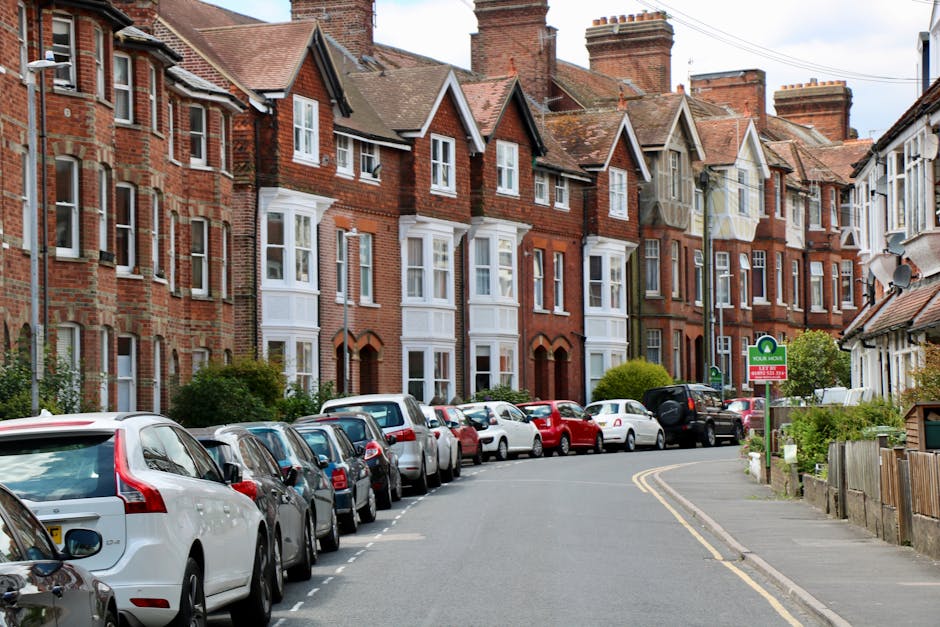
Parking is not just a convenience on moving day. It controls how quickly a removal team can load, whether bulky furniture can be carried safely, and how much disruption you create for neighbours and passing traffic. On a road like The Ridgeway, where access can vary from house to house, those few metres between the van and your front door can make a real difference.
For residents planning a move in NW7, the parking conversation should start early. A van parked too far away means more carrying, more time, and more chance of damage. A van parked badly, even briefly, can block access, upset neighbours, or create avoidable tension. Nobody wants that. Especially not on a day that is already full of boxes, phone calls, and the faint smell of tape and cardboard.
There is also a financial side to it. When access is poor, the job often takes longer than expected. That may affect the quote, the schedule, or what can be achieved in a single trip. If you are comparing options, it is worth reviewing the company's removal services overview alongside their pricing and quote guidance so you understand how access can influence the work.
In short: parking planning is not a side issue. It is part of the move itself.
How NW7 Removals Parking Tips for The Ridgeway Residents Works
The basic idea is simple: make sure the removal vehicle can get as close to your property as safely and legally possible, then keep that access clear for the duration of the load. In practice, that means thinking through the road layout, driveway space, neighbour access, and any local restrictions before the van arrives.
Most successful moves on residential streets follow the same pattern:
- Check the parking space outside your property and nearby alternatives.
- Confirm whether the van can fit without blocking driveways, crossings, or junctions.
- Make any temporary arrangements well in advance, including moving your own car.
- Keep the entrance free for trolleys, dollies, and repeated trips.
- Have a plan B in case a space is taken by another vehicle on the morning.
That sounds straightforward, and often it is. But the detail matters. A narrow road can be manageable in daylight and awkward at school-run time. A bay that looks available the day before may not be empty on the morning. And if you have heavier furniture, like wardrobes or a piano, a few extra yards of carrying can be the difference between a tidy move and a tiring one. For specialist items, it is sensible to look at dedicated support such as piano removals in Mill Hill or the broader advice in this guide to piano logistics.
The best way to think about it is this: parking is not only about where the van stops. It is about how the whole loading route works from the front door to the vehicle. That little route? It needs to be smooth.
Key Benefits and Practical Advantages
Good parking planning offers more than convenience. It reduces friction in several ways that are easy to underestimate before move day.
- Less carrying distance: Closer parking means fewer steps and less strain on the team and your belongings.
- Faster loading and unloading: The van can be worked efficiently, especially when multiple trips are needed.
- Lower damage risk: Furniture is handled less often and moved a shorter distance outdoors.
- Better neighbour relations: Sensible parking reduces obstruction and keeps the street calmer.
- Improved timing: You are less likely to slip behind schedule because of awkward access.
- Less stress: Probably the biggest one, to be fair. A move feels very different when the van can park properly.
There is another hidden benefit: better parking helps the removal team work more safely. A straight route, good visibility, and enough room for lifting all support careful handling. If you want to understand how professional teams approach the physical side of moving, the article on lifting heavy items safely is a useful companion read, even if you are not planning to do the lifting yourself.
For some households, the biggest advantage is simply confidence. You know what is happening, where the van will stop, and what to expect if the nearest space is already taken. That clarity matters more than people think.
Who This Is For and When It Makes Sense
This advice is useful for almost anyone moving in or out of The Ridgeway, but it matters most if your property has limited frontage, shared access, or no private drive. It is also especially relevant for flats, maisonettes, and houses with busy on-street parking nearby.
You will benefit from these tips if you are:
- moving house and want a smoother loading process
- using a man with a van in Mill Hill or a larger removal vehicle
- relocating from a flat where space outside is limited
- moving bulky furniture, appliances, or fragile items
- trying to avoid delays on a same-day or tightly timed move
- planning around neighbours, schools, commuters, or street cleaning patterns
If you are in a flat or apartment setting, the parking question becomes even more important because access is rarely straightforward. A quick look at flat removals in Mill Hill can help you understand the extra coordination these moves often need.
It also makes sense if you are not sure whether to book a full removal service or a smaller vehicle solution. Some jobs are simple enough for a compact van; others need more load space and better parking planning from the start. That is where a local, experienced provider can really save the day.
Step-by-Step Guidance
Here is a practical way to plan parking for a move on The Ridgeway without overcomplicating it.
1. Walk the route before moving day
Stand outside your property and look at the space as if you were the driver. Can a van stop safely? Is there room for doors to open? Is the pavement clear enough for repeated trips? Check whether there are lamp posts, trees, low branches, or tight bends that might make access awkward.
2. Move your own car early
If you park on the street, shift your car well before the removal team arrives. It sounds obvious, but it is one of the most common things people forget. You do not want to be scrambling for keys while the team is waiting and the kettle is going cold inside.
3. Choose the closest legal stopping point
A van should never be parked in a way that creates a hazard or blocks another property. A slightly longer carry is always better than forcing the vehicle into an unsafe spot. If a driveway is available and you have permission to use it, that may help a great deal.
4. Reserve space with common sense, not guesswork
On some streets, neighbours are happy to help by leaving a space free where possible. But informal arrangements are only helpful if they are realistic. Do not rely on goodwill alone. Plan for the space to be taken anyway, because that happens. Often.
5. Tell the removal company about any access limits
Give accurate information upfront: narrow road, no driveway, steep steps, awkward kerb, shared courtyard, or multiple entrance points. The more they know, the better they can choose the right vehicle and loading plan. If you are still comparing providers, the team behind removal companies in Mill Hill and removal van options is worth exploring.
6. Prepare the front entrance
Keep the path, hallway, or shared entrance free from bins, bikes, potted plants, and loose clutter. That makes it safer for the team and avoids unnecessary knock-ons. If you are getting the house ready too, have a look at preparing your home for a stress-free move for a fuller pre-move approach.
7. Have a backup plan
If the nearest space is unavailable, where will the van go instead? Decide in advance. A backup spot a little further away is far better than a late-morning debate on the pavement. Nobody needs that kind of drama before 9am.
Expert Tips for Better Results
Small details tend to pay off most on moving day. Here are the tips that usually make the biggest difference.
- Book the start time with parking in mind: Early morning can be easier on some streets, but do not assume. Check local patterns first.
- Use labels on items that need quick access: If a box contains keys, meters, documents, or cleaning supplies, keep it easy to find.
- Protect flooring and thresholds: If the route from the van to the house is long, mats or covers can help reduce scuffs.
- Keep one person free to manage access: Someone should be watching the space, opening doors, and guiding the flow. This stops confusion.
- Measure large furniture in advance: This is especially useful for beds, wardrobes, sofas, and awkward items. The guide on moving a bed and mattress is helpful if you are dealing with bulky bedroom furniture.
- Use professional packing support when needed: The better your boxes are packed, the easier the load goes. See packing and boxes in Mill Hill and the detailed packing tips guide.
A slightly less glamorous but very real tip: keep a clear space for the kettle, phone charger, and a roll of tape. Those three things always seem to disappear right when you need them. Funny, that.
If your move includes a fragile sofa, a freezer that has been unplugged, or anything storage-sensitive, parking is part of the protection plan because the easier the access, the shorter the exposure to rain, bumps, and awkward handling. The articles on sofa storage recommendations and storing a freezer when it is unplugged are worth a read if those items are on your list.
Common Mistakes to Avoid
Most parking problems are not dramatic. They are just preventable. And that is why they sting a bit.
- Leaving parking to the last minute: Hoping a space will appear is not a plan.
- Forgetting to move your own vehicle: This one causes more delays than people expect.
- Assuming the van can always stop right outside: Not every road will allow that, especially on busier days.
- Ignoring shared access or neighbour driveways: A blocked entrance can create avoidable tension.
- Underestimating loading time: More walking equals slower loading, simple as that.
- Not mentioning awkward access details: Steps, slopes, or a tight turning circle matter a lot more than they sound.
One common oversight is failing to link parking with the rest of the move plan. If you have a large house, special items, or an office move, the route from van to property can shape the whole schedule. For bigger or more complex moves, consider the guidance on house removals in Mill Hill or office removals in Mill Hill.
And if you are decluttering before the move, do it early. It is much easier to manage access when you are not carrying three extra bags of "we'll decide later" stuff. We have all got a drawer like that.
Tools, Resources and Recommendations
You do not need specialist equipment to plan good parking, but a few simple tools help more than you might think.
- Phone maps and street view: Useful for checking road width, bends, and the layout around your property.
- Measuring tape: Handy for checking furniture dimensions against entry space and van access.
- Sticky notes or labels: Good for marking which items need to go in first or last.
- Torches or headlamps: Helpful if you are finishing early or starting before full daylight, especially in winter.
- Protective blankets and straps: These support safer loading when the van is parked close and items move in tighter sequences.
It also helps to use the right service for the scale of the move. A small flat move may suit a compact vehicle, while a larger family house may call for a fuller removals package. The page on removals in Mill Hill gives a broader view of what is available, while same-day removals can be useful if your timing is tight.
If you are still deciding whether to handle the move yourself or bring in help, reading the company's about us page can be reassuring. It gives you a better sense of the team, the way they work, and whether their approach suits your job.
Law, Compliance, Standards, or Best Practice
Parking rules can vary depending on the exact location, street layout, and any local restrictions in place. Because of that, it is sensible to treat compliance as a practical matter rather than assuming a one-size-fits-all answer.
As a rule of thumb, a removal vehicle should be parked legally, safely, and considerately. That means avoiding obstructions, respecting access points, and not taking a risk just to save a few steps. If a parking bay, dropped kerb, or shared entrance may be affected, check the situation before move day rather than after the van has arrived.
Best practice usually includes:
- keeping routes clear for pedestrians
- avoiding blocked driveways and entrances
- making sure the vehicle does not create a hazard
- checking whether the street has any permit or time-based restrictions
- telling the removal team about known access limitations
If you want reassurance around operational standards, it is worth reviewing the company's health and safety policy and insurance and safety information. Those pages help show how a professional provider thinks about risk, responsibility, and care on site.
For moving services, good practice also means fair communication, clear expectations, and transparent terms. That is why links like terms and conditions and payment and security can be useful reading before you book. Not exciting, admittedly, but worth it.
Options, Methods, or Comparison Table
Different parking approaches suit different properties. The table below gives a simple comparison to help you decide what is most realistic for your move.
| Parking Method | Best For | Pros | Limitations |
|---|---|---|---|
| Direct outside parking | Homes with a clear front space or driveway | Fastest loading, least carrying, easiest supervision | May not be available on busy streets |
| Nearby legal street parking | Residential roads with limited frontage | Flexible, often realistic, usually easy to organise | Longer carrying distance and more time needed |
| Managed access with neighbours or building staff | Flats, shared drives, or managed properties | Can reduce conflict and improve coordination | Depends on goodwill and clear communication |
| Smaller van or shuttle approach | Tight roads or awkward access | More manoeuvrable, easier on narrow streets | May need multiple trips |
For many The Ridgeway residents, the best option is not one perfect space but a workable compromise: close enough to keep the move efficient, legal enough to avoid problems, and planned well enough that the team can get on with it. Sometimes that is all you need.
Case Study or Real-World Example
Imagine a family moving from a semi-detached house on The Ridgeway on a Saturday morning. The property has no driveway, the street is already fairly full, and the new owners are collecting keys later that day. Nothing exotic. Just a normal, slightly busy local move.
On the day, the removal team arrives and finds the closest space taken by a visitor's car. Because the family had already thought ahead, they had identified a second legal parking spot a short walk away. One person moved the remaining household car, the front path had been cleared the night before, and the larger items were pre-labelled for priority loading. The result? No panic, no blocked entrance, and no argument in the road while someone hunts for keys.
The move still took effort, of course. It always does. But the parking plan kept everything under control. The sofas came out without scraping the hallway wall, the mattress was lifted in one clean sequence, and the last box went in with daylight still left. Not perfect, but tidy enough that everyone could breathe again afterwards.
That is usually what good parking planning buys you: headspace. And on moving day, headspace is gold.
Practical Checklist
Use this checklist in the days before the move. A few minutes here can save a whole load of stress later.
- Confirm the moving date and arrival window.
- Check where the van can legally and safely stop near your property.
- Move your own car or arrange alternative parking.
- Tell the removal company about steps, slopes, narrow entrances, or shared access.
- Clear bins, bikes, plant pots, and clutter from the frontage and hallway.
- Measure large items that may need extra manoeuvring space.
- Label boxes that must be loaded first or kept accessible.
- Set aside essentials like keys, documents, chargers, and medication.
- Prepare a backup parking option if your nearest space is unavailable.
- Keep a contact number handy in case the team needs to confirm access on arrival.
Expert summary: The best parking plan is the one that is legal, realistic, and agreed before the van arrives. If you get those three things right, the rest of the move tends to behave itself a lot better.
Conclusion
For The Ridgeway residents in NW7, parking is more than a background detail. It shapes the pace, safety, and calm of the entire move. With a little planning, you can reduce carrying distance, avoid awkward delays, and make life easier for both the removal team and your neighbours.
The main thing is not perfection. It is preparation. Walk the route, think about the van, clear the space, and tell the team what they need to know. That alone solves most of the pressure points people run into on moving day.
If you are planning a move and want support from a local team that understands access, timing, and residential parking realities, start by getting clear on the service you need and the space you have. A calm move is rarely an accident. It is usually planned that way, one sensible decision at a time.
For additional help with your move, explore the wider removal services in Mill Hill or get in touch through the contact page when you are ready to talk through the details.
Get a free quote today and see how much you can save.
Frequently Asked Questions
What is the main parking challenge for removals on The Ridgeway?
The main challenge is usually limited or shared street parking, which can make it hard for a removal van to stop close to the property. Even a short extra walk can slow the load down if you have bulky furniture or a full house to move.
Should I reserve a parking space for the removal van?
If you can legally and practically keep space available, yes, that helps. But do not rely on an informal arrangement alone. Always have a realistic backup plan in case another vehicle uses the space first.
How far can a removal van park from my front door?
There is no fixed distance that works for every move. The nearer, the better, as long as it is safe and legal. If the van has to park further away, the team may need more time and more carrying distance.
Do I need to move my own car before the removals team arrives?
Yes, that is usually best. Moving your own car early helps free up access and avoids delays when the van is already on site. It is a small task that can make a big difference.
What if the usual space outside my house is already taken?
That is exactly why a backup plan matters. Identify a second legal parking option in advance, then tell the removal team where it is. A few extra steps are fine; a last-minute panic is not.
Are parking restrictions different for flats and houses?
Often, yes. Flats may involve shared entrances, managed access, or tighter turning areas, while houses may have more direct frontage but still limited street parking. That is why flat and house moves benefit from different planning.
How do parking issues affect removal costs?
Poor access can increase the time needed for loading and unloading, which may influence the quote. It is sensible to be open about access conditions early so the estimate reflects the actual work more accurately.
Can a smaller van help with tight parking on residential streets?
Often, yes. A smaller vehicle can be easier to manoeuvre where roads are narrow or parking is limited. The trade-off is that it may require more trips, so the best choice depends on the size of your move.
What should I tell the removal company about access?
Tell them about any steps, slopes, narrow driveways, shared entrances, low branches, busy roads, or parking limitations. The more detail you give, the better they can plan the vehicle, crew, and loading route.
Is it worth using a local removal team for The Ridgeway?
Usually, yes. A local team is more likely to understand the parking patterns, street layout, and timing issues that come up in NW7. That local familiarity can save time and reduce stress on the day.
What is the best time of day for parking on move day?
It depends on the street and local traffic patterns. Early starts can be helpful, but not always. The safest approach is to plan around the actual property access, not guesswork.
Can I get help with both parking and the rest of the move?
Yes. A good removal service can help you think through access, van size, loading order, and practical timing. That broader support is often what turns a complicated move into a manageable one.