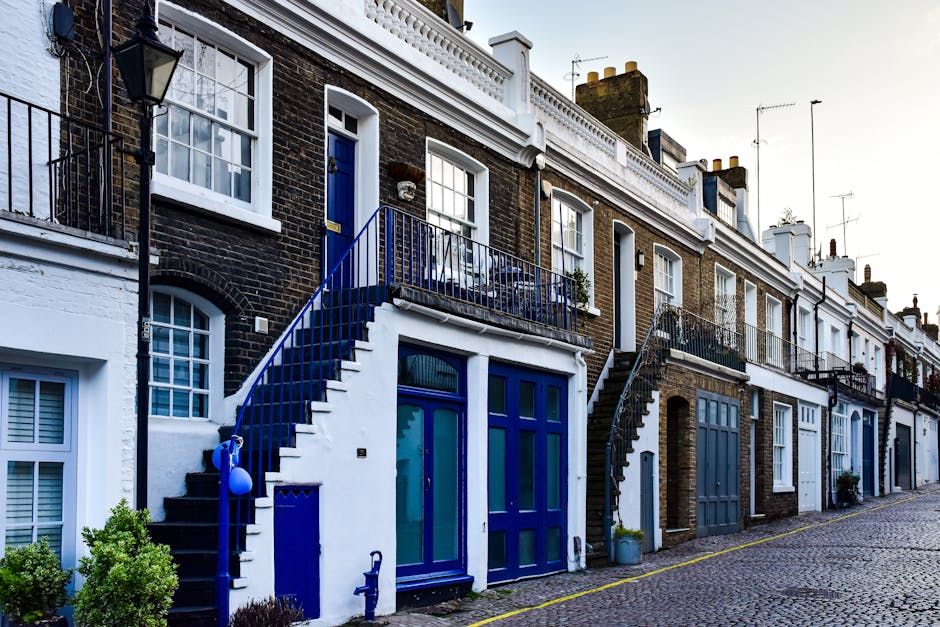
Small Access Removals Solutions for Mill Hill Basement Flats
Basement flats can be brilliant places to live: cooler in summer, tucked away from the street, and often surprisingly peaceful. But move day? That can be a different story. Tight stairwells, low ceilings, awkward bends, shared entrances, and the usual Mill Hill parking realities can turn a simple relocation into a careful logistical puzzle. That is exactly where Small Access Removals Solutions for Mill Hill Basement Flats come in.
Whether you are moving a few pieces of furniture, a full flat's worth of belongings, or one very stubborn sofa that refuses to turn the corner, the right approach makes all the difference. In this guide, we will look at what these removals involve, why they matter, how the process works, and what to watch out for if you want a smoother move. Truth be told, the biggest challenge is rarely the distance. It is the access.
Contents
- Why Small Access Removals Solutions for Mill Hill Basement Flats Matters
- How Small Access Removals Solutions for Mill Hill Basement Flats Works
- Key Benefits and Practical Advantages
- Who This Is For and When It Makes Sense
- Step-by-Step Guidance
- Expert Tips for Better Results
- Common Mistakes to Avoid
- Tools, Resources and Recommendations
- Law, Compliance, Standards, or Best Practice
- Options, Methods, or Comparison Table
- Case Study or Real-World Example
- Practical Checklist
- Conclusion
- Frequently Asked Questions
Why Small Access Removals Solutions for Mill Hill Basement Flats Matters
Small access moves are not just "standard removals with a tighter door." They need a different mindset. A basement flat might have a narrow stair flight, a low handrail, a shared hallway, or a front path where two people cannot pass comfortably without one stepping aside. Sometimes the street itself adds another layer: limited parking, a corner turn, or a building entrance set back from the road. If you have ever tried to shift a wardrobe down a staircase while gently muttering "this looked smaller online," you will know the feeling.
In Mill Hill, basement flats often sit within older properties or converted buildings where access was never designed for modern large furniture. That means careful measurement, sensible packing, and a removal team that understands how to protect both the property and the item being moved. The aim is simple: avoid damage, avoid delays, and avoid exhausting yourself before the day is halfway done.
This is also where planning around the local area matters. The right vehicle choice, parking strategy, and load sequence can reduce friction massively. For some moves, a more flexible service such as a man and van option in Mill Hill is ideal; for others, a larger and more structured setup is better. If the move involves a flat rather than a whole house, it is also worth understanding how flat removals in Mill Hill are typically planned so access issues are handled from the start.
How Small Access Removals Solutions for Mill Hill Basement Flats Works
The process usually starts before anyone lifts a box. Good movers will want to know the layout, the access point, the size of the items, whether there are stairs or a lift, and where the vehicle can safely stop. That first conversation matters more than people think. A five-minute chat can save an hour of head-scratching on move day.
Here is how it normally works in practice:
- Pre-move assessment. The mover checks access details, item size, parking, and any fragile or awkward furniture.
- Planning the route. They decide whether items need to be dismantled, wrapped, carried in stages, or moved with specialist handling.
- Protection and packing. Corners, bannisters, floors, and door frames are protected where needed. Small access routes often leave little room for error.
- Controlled loading. Items are loaded in a sensible order so the van can be packed efficiently and safely.
- Careful delivery. On arrival, the same care is used to move items into the new property or storage location.
For items like beds, wardrobes, or heavy wardrobes with mirrors, a mover may recommend dismantling them before the move. That is not overkill. It is just practical. You will also often see an emphasis on wrapping, strapping, and carrying items in pairs where needed. It sounds obvious, but on a narrow basement staircase, teamwork is everything.
For extra background on safe handling and preparation, it can help to read about preparing your home for a stress-free move and packing tips for an organised house move. They are especially useful if you are trying to reduce last-minute chaos. And yes, last-minute chaos has a way of showing up right when you are looking for the kettle lead.
Key Benefits and Practical Advantages
The biggest advantage is control. Small access moves are often more about precision than brute force. When a team knows how to work in tight spaces, they can protect your belongings and the building itself far more effectively than a rushed, improvisational approach.
Here are the key benefits:
- Reduced risk of damage. Narrow access areas increase the chance of scraped walls, chipped corners, and bruised furniture. A structured method reduces that risk.
- Less stress for you. You are not trying to solve staircase geometry while carrying a mattress. That alone is worth something.
- Better time management. Good planning avoids repeated trips, awkward repositioning, and delays at the kerb.
- Safer lifting. Heavy or awkward items can be moved with proper technique rather than improvised lifting.
- Improved vehicle efficiency. When access is tight, load order and vehicle choice matter. A compact move setup can be a better fit than a generic one.
There is also a practical money-saving angle. While access challenges can add time, good preparation can limit those extra costs. That is where clear communication before booking pays off. If you want to understand how pricing can shift depending on access, item count, and timing, the page on pricing and quotes is a useful starting point.
Expert summary: In small-access basement moves, the best outcome usually comes from preparation, not force. Measure carefully, disassemble what makes sense, protect the route, and keep the load plan simple.
Who This Is For and When It Makes Sense
This type of service is ideal for anyone moving in or out of a basement flat where access is limited, especially if the property has one or more of the following:
- narrow internal stairs
- shared hallways or entrances
- tight street parking
- low ceilings or awkward corners
- heavy furniture that cannot easily be turned or tilted
- limited space for loading outside
It is especially useful for renters and first-time movers who may not yet have a sense of how awkward a single item can become once it reaches a staircase. Students moving into basement accommodation, young professionals in converted Victorian properties, and families leaving a lower-ground flat all face similar issues. The setting changes, but the headache is often the same.
If you are dealing with fewer items and need flexibility, a man with a van in Mill Hill may suit you. If your move is larger or you need a more coordinated property-to-property service, it may make more sense to look at broader removal services in Mill Hill. For some people, especially those leaving compact accommodation, student removals in Mill Hill are also a practical fit.
Let's face it: basement flats rarely fail because of distance. They fail because the sofa won't fit round the corner. That is the real test.
Step-by-Step Guidance
If you want a move that feels organised rather than improvised, the process should be broken down into clear stages. Here is a practical way to handle it.
1. Measure everything that matters
Measure the widest furniture pieces, the staircase width, the narrowest doorway, and any sharp turns. Do not guess. A tape measure is far cheaper than replacing a scratched sideboard. If there is a shared entrance or a basement window route, check those dimensions too.
2. Identify the items that need dismantling
Beds, bed frames, large shelving units, and some sofas are often easier to move in parts. If you are moving a bed, there is useful practical guidance in this bed and mattress moving guide. A quick dismantle now can prevent a much longer struggle later.
3. Clear the route before moving day
Move shoes, rugs, bins, bikes, and anything else that might trip someone or snag an item. Basement hallways can look roomy until you start carrying a mattress through them.
4. Protect the property
Use covers, blankets, and protective wrap where needed. Stair rails, corners, and floors are common contact points. If the item is particularly valuable, wrap it properly rather than relying on optimism. Optimism is nice, but it does not stop dents.
5. Decide on loading order
Small access moves work best when the van is loaded with the correct sequence in mind. Heavy items go in first, delicate items are secured, and frequently needed essentials are kept accessible. A smart removal van in Mill Hill setup can make a huge difference here.
6. Confirm parking and timing
Access is not only about the building. It is also about where the vehicle stops. In some Mill Hill streets, parking planning matters almost as much as packing. If you are moving around busier roads or tighter residential pockets, reading the local guidance in parking tips for NW7 residents or the narrow streets removals guide can save frustration.
7. Keep a simple essentials box
In a basement flat move, the first evening often feels a bit upside down. Keep tea bags, chargers, toiletries, medication, keys, and basic paperwork in one clearly labelled box. Sounds obvious, but people forget this all the time. Then they are rummaging under coats for toothpaste at 10:40pm.
Expert Tips for Better Results
A few small decisions can make a basement move noticeably easier. These are the things experienced movers tend to notice immediately.
- Choose smaller packing units. Small boxes are easier to handle on stairs than overfilled large ones.
- Label by room and priority. "Kitchen - first night" is far more useful than a vague label like "misc."
- Use furniture protection early. Do not wait until the item is halfway up the stairs before wrapping it.
- Book the right vehicle size. Too large can be awkward near a basement property; too small creates unnecessary trips.
- Keep communication short and clear. If the sofa only fits on its side, say so in advance. Small details matter.
If you have particularly delicate items, it is often worth taking a specialist approach. For example, pianos need a completely different handling mindset, and even a small piano move can become complex quickly. The article on understanding piano logistics gives a good feel for why specialist planning matters. Likewise, if you are looking to safeguard upholstered items or need temporary holding space, sofa storage recommendations and storage in Mill Hill can be helpful complements.
And one more thing: do not try to "just tilt it a bit more" on the stairs if the angle already feels wrong. That phrase has caused more trouble than it ever solved.
Common Mistakes to Avoid
Small access removals tend to go wrong in predictable ways. Once you know them, they are easy enough to avoid.
- Not measuring properly. A quick glance is not enough. Measure the widest point, not the most flattering one.
- Leaving packing until the night before. That usually leads to poor box sizes, weak sealing, and stress.
- Ignoring hallway obstacles. Light fittings, framed pictures, and coat hooks can all become problems.
- Underestimating parking issues. A good staircase plan still fails if the van is three streets away.
- Trying to move very heavy items alone. Even if it is possible, it may not be sensible. There is a difference.
- Forgetting building rules. Shared entrances, neighbours, and access windows sometimes require advance notice.
If you want to reduce the chance of avoidable surprises, it helps to read about common booking mistakes for Mill Hill removals and how to avoid hidden removals charges. Those two topics are more relevant than most people realise, especially when access makes the job a little more involved.
Tools, Resources and Recommendations
You do not need a warehouse of specialist equipment, but the right basics make a genuine difference. For small access basement moves, the following are commonly useful:
- strong double-walled boxes
- packing tape and markers
- furniture blankets and protective covers
- ratchet straps for securing items in transit
- trolley or sack truck where stair angles allow it
- gloves with a decent grip
- door and floor protection
- disassembly tools such as screwdrivers and hex keys
Good packing supplies are not a luxury. They are part of the job. If you are building a move from the ground up, the dedicated packing and boxes page for Mill Hill can point you in the right direction for materials and planning. It also helps to check the wider services overview if you are comparing move types or trying to understand which service fits your situation best.
For anyone who wants a more general moving process that feels calm rather than rushed, stress-free relocation planning and decluttering like a pro are both worth a look. Fewer items usually means fewer access headaches. Simple, really.
Law, Compliance, Standards, or Best Practice
For a basement flat move, the legal and best-practice side is mostly about safety, access, and care. You do not need to become a regulations expert, but there are sensible norms to follow. In the UK, movers and residents alike should take reasonable steps to avoid injury and property damage, and that includes planning loads properly, using suitable lifting methods, and making sure pathways are safe.
Where relevant, building rules or tenancy agreements may also affect when and how you can move. Some properties ask for advance notice if common areas will be used for bulky items. Others require lift protection, floor covering, or timed access. It is always wise to check these details before the day, not after the sofa is wedged halfway through the doorway. That is not the moment for discovery.
For customers, transparency also matters. You should know what is included, what may cost extra, and what conditions apply. Pages such as terms and conditions, insurance and safety, and the health and safety policy are useful references when you want to understand the standards behind the service. If you are comparing providers, this is one of the easiest ways to spot a well-run operation.
There is also a sustainability angle. Reusing packing materials where sensible, separating items for recycling, and avoiding unnecessary waste all support a cleaner move. The page on recycling and sustainability is a good reminder that moving home does not have to create more waste than necessary.
Options, Methods, or Comparison Table
Not every basement move needs the same solution. Some are compact and straightforward; others need a more tailored service. Here is a simple comparison to help you think it through.
| Option | Best for | Strengths | Limitations |
|---|---|---|---|
| Man and van | Smaller loads, flexible timing, a few bulky items | Quick to arrange, good for tight access, often practical for short moves | May not suit larger or more complex relocations |
| Full flat removal service | Most basement flat relocations with multiple rooms | More structured planning, better for heavy furniture and full loads | Usually a larger operation than a light move |
| Storage-first approach | Staged moves, decluttering, uncertain completion dates | Gives breathing room if access is tight or timing changes | Not ideal if everything must be moved in one go |
| Same-day move | Urgent situations, sudden tenancy changes, last-minute access windows | Fast response, useful when timing is tight | Less flexible if lots of planning is still needed |
If your move is urgent, the option of same-day removals in Mill Hill may be worth considering. But if you have more time, use it. A carefully prepared move almost always feels easier than a rushed one.
Case Study or Real-World Example
A typical basement flat move in Mill Hill might involve a one-bedroom home with a sofa, a bed frame, two wardrobes, a washing machine, and a handful of boxes. The main challenge is not volume. It is angle and access. In one common scenario, the stairwell turns sharply halfway down, which means a standard wardrobe will not make the bend upright.
The sensible answer is to dismantle the wardrobe before moving day, wrap each section, and carry the pieces in a planned sequence. The sofa is measured in advance and checked against the stair opening. The washing machine is secured for transport, and the packing boxes are kept small enough to carry one-handed on the stairs. Suddenly the move is not a wrestling match anymore. It is a sequence of manageable steps.
That is the key point. Small access removals succeed when every item is treated as its own little problem to solve. Not a crisis. Just a practical task. And if the route is especially tight, the team may advise a quieter move window so the loading area is less busy. Little adjustments like that can make the day feel much calmer.
Practical Checklist
Use this before the move starts. It is simple, but it covers the important bits.
- Measure every large item and every key doorway or stair turn
- Confirm parking and vehicle access for the collection point
- Check whether any furniture should be dismantled
- Pack fragile items in smaller boxes with clear labels
- Protect floors, bannisters, and corners where needed
- Keep tools handy for last-minute disassembly
- Set aside essentials for the first night
- Tell neighbours or building management if shared access may be affected
- Review pricing details and what is included
- Keep one contact number close at hand on moving day
If you want to make the process even smoother, read the guide on lifting heavy items safely before doing anything physical on your own. It is one of those topics people often skip, then regret later. Your back will thank you, probably in a very British way - quietly, but firmly.
Conclusion
Small access removals for basement flats are all about thoughtfulness. Measure properly, plan the route, protect the property, and choose the right kind of support for the scale of the job. When those pieces are in place, even a tricky basement move can feel controlled and manageable rather than chaotic.
The real value of Small Access Removals Solutions for Mill Hill Basement Flats is not just that they help you move. It is that they help you move without unnecessary strain, damage, or last-minute panic. And that matters a lot when you are working in tight spaces with heavy furniture, awkward corners, and a clock that keeps ticking.
Get a free quote today and see how much you can save.
If you are still weighing up your options, it is worth starting with a trusted local team that understands access challenges, pricing clarity, and the realities of moving in Mill Hill. A good move is never just about transport. It is about making the whole day feel easier, from the first box to the last lamp.
Frequently Asked Questions
What are small access removals for basement flats?
They are removal services designed for properties with limited entry space, narrow staircases, low ceilings, awkward bends, or difficult parking. The focus is on careful planning and safe handling.
Why are basement flats harder to move than standard flats?
Basement flats often have tighter stair access, shared hallways, and fewer options for loading large furniture. The property layout can make even a small move feel more complex.
Do I need to dismantle furniture before a basement flat move?
Not always, but it is often helpful. Beds, wardrobes, and large shelving units are much easier to move when broken down into smaller parts.
Can a man and van service handle basement flat removals?
Yes, if the load is small enough and the access is clearly assessed in advance. For larger jobs, a more structured flat removal service may be better.
How do movers protect walls and bannisters in tight spaces?
They typically use blankets, covers, and careful carrying techniques. Good movers also plan the route so they minimise contact with corners and railings.
What should I measure before booking a removal?
Measure your largest items, key doorways, the staircase width, and any tight turns. Parking access is important too, especially in busy Mill Hill streets.
How far in advance should I book a small access move?
As soon as you know your moving date. Small access jobs need more detail than a standard move, so giving the team time to plan helps a lot.
Are small access removals more expensive?
They can be, if the move takes more time or needs extra care. That said, careful planning can limit extra costs and prevent expensive damage.
What if my sofa or bed will not fit through the stairwell?
The usual solution is to dismantle it, tilt it safely, or in some cases choose a different move method. It is better to assess this before moving day.
Can basement flat removals be done on the same day?
Sometimes yes, especially if the load is small and access is straightforward. If the move is more complex, it is better to allow more time for preparation.
Do I need to tell the building manager or neighbours?
It is often a good idea, especially if shared entrances or common areas will be used. It helps avoid friction and keeps the day running more smoothly.
Where can I find more help with moving in Mill Hill?
You can explore local service pages and practical moving guides, including removals in Mill Hill, about the company, and contact details if you are ready to ask questions or arrange a quote.